
Blackjack by the Numbers: Strategy Chart, and Hit or Stand on 12 or 13
This image is an illustration, not a photo of an actual facility.
We calculated the expected value in blackjack and summarized a strategy chart by dealer card (hit, stand, double, split, surrender), the win and loss rates of hitting and standing on tricky totals such as 12 or 13, and the dealer's bust rate.
Blackjack is a game where you decide for yourself whether to hit or stand. In this article, the CASINO PASSPORT editorial team calculated the expected value (how much you gain or lose on average per hand) and summarized, in numbers, a strategy chart for each situation and "whether hitting or standing is better on 12 or 13." The rules themselves are explained in Blackjack rules and how to play.
This article is not a way to win. Even if you play by the strategy chart, on average you lose about 0.5% of the amount you bet. The chart only shows "the choice that loses less in the same situation." Decide before your trip how much you will spend at the casino, and enjoy yourself within that limit.
The short answer
- If you play by the strategy chart, the house edge (the percentage of your bet you lose on average) is about 0.5%
- With a total of 12, hit if the dealer's visible card is a 2 or 3, and stand if it is 4 to 6. With a total of 13 to 16, stand against 2 to 6, and hit against 7 or higher
- With 12 vs 2, standing wins slightly more often (35.4% vs 34.8%), but hitting loses less often (60.2% vs 64.6%), so on average hitting is better
- With 16 vs 10, hitting and standing have almost the same expected value (both lose about 54% of the bet). If surrender is allowed, you lose only half (50%), so surrendering is better
- Insurance is a bet that loses about 7.5% of the amount bet on average
Assumptions used in the calculation
We calculated based on the rules in Paradise Casino's official game guide (confirmed in October 2026).
| Item | Assumption in this article |
|---|---|
| Dealer | Draws on 16 or less and stands on 17 or more (also stands on a 17 that counts an A as 11) |
| Blackjack payout | 1.5 times the bet (3:2) |
| Dealer blackjack | Checked first when the face-up card is an A or a 10 |
| Double down | Allowed on the first two cards, and also after splitting |
| Split | Once only. Split Aces receive one card each |
| Surrender | Give up half of your bet and fold |
| Number of decks | Not stated on the official website, so we used an approximation that treats the deck as never running out of cards |
We have not been able to confirm the blackjack rules of other casinos, such as Seven Luck Casino, on their official websites. If rules differ, such as whether the dealer stands on 17 or the blackjack payout, the strategy chart and the numbers also change, so check the information at the table before you sit down.
Strategy chart (by the dealer's visible card)
Where your hand (left column) meets the dealer's face-up card (top row), you find the action with the highest expected value. The chart is split into three tables: hard hands (hands without an A, or hands that count the A as 1), soft hands (hands that count an A as 11) and pairs (the first two cards have the same rank).
| Your hand | 2 | 3 | 4 | 5 | 6 | 7 | 8 | 9 | 10 | A |
|---|---|---|---|---|---|---|---|---|---|---|
| 8 or less | H | H | H | H | H | H | H | H | H | H |
| 9 | H | D | D | D | D | H | H | H | H | H |
| 10 | D | D | D | D | D | D | D | D | H | H |
| 11 | D | D | D | D | D | D | D | D | D | H |
| 12 | H | H | S | S | S | H | H | H | H | H |
| 13 | S | S | S | S | S | H | H | H | H | H |
| 14 | S | S | S | S | S | H | H | H | H | H |
| 15 | S | S | S | S | S | H | H | H | R | H |
| 16 | S | S | S | S | S | H | H | R | R | R |
| 17 or more | S | S | S | S | S | S | S | S | S | S |
- HHit
- SStand
- DDouble down
- PSplit
- RSurrender
D: hit if you cannot double down. R: hit if you cannot surrender.
| Your hand | 2 | 3 | 4 | 5 | 6 | 7 | 8 | 9 | 10 | A |
|---|---|---|---|---|---|---|---|---|---|---|
| A+2 (13) | H | H | H | H | D | H | H | H | H | H |
| A+3 (14) | H | H | H | D | D | H | H | H | H | H |
| A+4 (15) | H | H | H | D | D | H | H | H | H | H |
| A+5 (16) | H | H | D | D | D | H | H | H | H | H |
| A+6 (17) | H | D | D | D | D | H | H | H | H | H |
| A+7 (18) | S | D | D | D | D | S | S | H | H | H |
| A+8 (19) | S | S | S | S | S | S | S | S | S | S |
| A+9 (20) | S | S | S | S | S | S | S | S | S | S |
- HHit
- SStand
- DDouble down
- PSplit
- RSurrender
D: hit if you cannot double down. However, with A+7 (18), stand if you cannot double down. Always stand on A+8 and A+9.
| Your hand | 2 | 3 | 4 | 5 | 6 | 7 | 8 | 9 | 10 | A |
|---|---|---|---|---|---|---|---|---|---|---|
| 2-2 | P | P | P | P | P | P | H | H | H | H |
| 3-3 | P | P | P | P | P | P | H | H | H | H |
| 4-4 | H | H | H | P | P | H | H | H | H | H |
| 5-5 | D | D | D | D | D | D | D | D | H | H |
| 6-6 | P | P | P | P | P | H | H | H | H | H |
| 7-7 | P | P | P | P | P | P | H | H | H | H |
| 8-8 | P | P | P | P | P | P | P | P | P | P |
| 9-9 | P | P | P | P | P | S | P | P | S | S |
| 10-10 | S | S | S | S | S | S | S | S | S | S |
| A-A | P | P | P | P | P | P | P | P | P | P |
- HHit
- SStand
- DDouble down
- PSplit
- RSurrender
Do not split 5-5; treat it as a total of 10. Do not split 10-10 (including J, Q and K).
Tricky hands such as 12 or 13: what happens when you hit and when you stand
These are the win, push and loss rates and the expected value (per 100 units bet) when, after hitting, you keep choosing the option with the higher expected value. The values assume the dealer does not have a blackjack.
| Situation | Stand (win / lose) | Stand expected value | Hit (win / push / lose) | Hit expected value | Better choice |
|---|---|---|---|---|---|
| 12 vs 2 | 35.4% / 64.6% | −29.3 | 34.8% / 5.0% / 60.2% | −25.3 | Hit |
| 12 vs 3 | 37.4% / 62.6% | −25.2 | 35.9% / 4.8% / 59.3% | −23.4 | Hit |
| 12 vs 4 | 39.4% / 60.6% | −21.1 | 37.0% / 4.7% / 58.3% | −21.4 | Almost the same (stand is slightly better) |
| 13 vs 2 | 35.4% / 64.6% | −29.3 | 32.1% / 5.0% / 62.9% | −30.8 | Stand |
| 13 vs 3 | 37.4% / 62.6% | −25.2 | 33.0% / 4.8% / 62.2% | −29.1 | Stand |
| 16 vs 7 | 26.2% / 73.8% | −47.5 | 26.4% / 5.7% / 67.9% | −41.5 | Hit |
| 16 vs 10 | 23.0% / 77.0% | −54.0 | 20.0% / 5.9% / 74.0% | −54.0 | Almost the same (−50 if you surrender) |
| Your hand | 2 | 3 | 4 | 5 | 6 | 7 | 8 | 9 | 10 | A |
|---|---|---|---|---|---|---|---|---|---|---|
| 12: Stand | −29 | −25 | −21◎ | −17◎ | −15◎ | −48 | −51 | −54 | −54 | −67 |
| 12: Hit | −25◎ | −23◎ | −21 | −19 | −17 | −21◎ | −27◎ | −34◎ | −38◎ | −35◎ |
| 13: Stand | −29◎ | −25◎ | −21◎ | −17◎ | −15◎ | −48 | −51 | −54 | −54 | −67 |
| 13: Hit | −31 | −29 | −27 | −26 | −24 | −27◎ | −32◎ | −39◎ | −42◎ | −40◎ |
| 14: Stand | −29◎ | −25◎ | −21◎ | −17◎ | −15◎ | −48 | −51 | −54 | −54 | −67 |
| 14: Hit | −36 | −35 | −34 | −32 | −30 | −32◎ | −37◎ | −43◎ | −47◎ | −44◎ |
| 15: Stand | −29◎ | −25◎ | −21◎ | −17◎ | −15◎ | −48 | −51 | −54 | −54 | −67 |
| 15: Hit | −42 | −41 | −40 | −38 | −37 | −37◎ | −42◎ | −47◎ | −50◎ | −48◎ |
| 16: Stand | −29◎ | −25◎ | −21◎ | −17◎ | −15◎ | −48 | −51 | −54 | −54 | −67 |
| 16: Hit | −47 | −46 | −46 | −45 | −43 | −42◎ | −46◎ | −51◎ | −54 | −52◎ |
◎ = the option with the higher expected value (both are negative; this is the one that loses less). With 16 vs 9, 10 or A, surrendering (−50) is even better.
In tricky situations, comparing only "how often you win" can lead to the wrong decision. That is because hitting increases the share of hands that end in a push and lowers the share of hands you lose. What you should compare is the expected value, which combines wins, pushes and losses. The expected value is negative in every situation; the strategy chart is only for choosing "the option that loses less."
How often the dealer busts
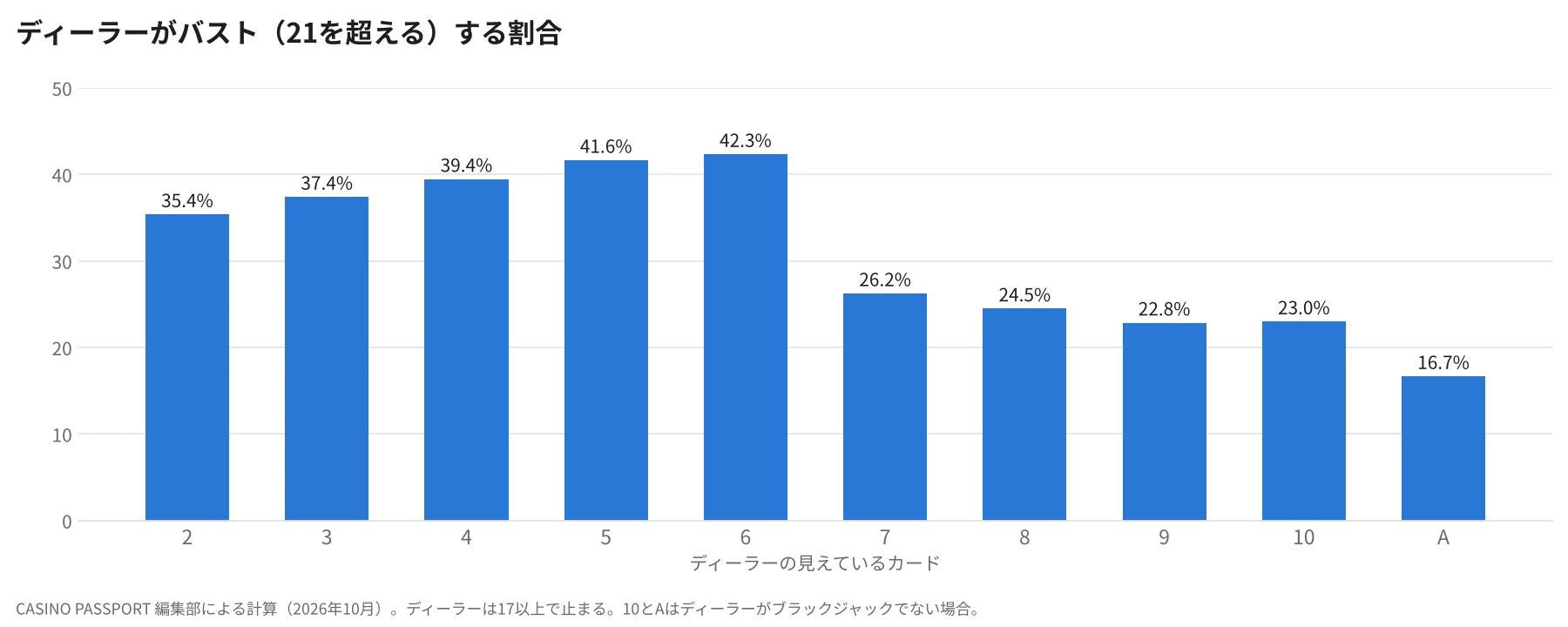
We calculated how often the dealer goes over 21 (busts) for each dealer face-up card. The chart says to stand more often against 2 to 6 because the dealer busts more easily then.
| Face-up card | 17 | 18 | 19 | 20 | 21 | Bust |
|---|---|---|---|---|---|---|
| 2 | 14.0% | 13.5% | 13.0% | 12.4% | 11.8% | 35.4% |
| 3 | 13.5% | 13.0% | 12.6% | 12.0% | 11.5% | 37.4% |
| 4 | 13.0% | 12.6% | 12.1% | 11.6% | 11.1% | 39.4% |
| 5 | 12.2% | 12.2% | 11.8% | 11.3% | 10.8% | 41.6% |
| 6 | 16.5% | 10.6% | 10.6% | 10.2% | 9.7% | 42.3% |
| 7 | 36.9% | 13.8% | 7.9% | 7.9% | 7.4% | 26.2% |
| 8 | 12.9% | 35.9% | 12.9% | 6.9% | 6.9% | 24.5% |
| 9 | 12.0% | 12.0% | 35.1% | 12.0% | 6.1% | 22.8% |
| 10 | 12.1% | 12.1% | 12.1% | 37.1% | 3.7% | 23.0% |
| A | 18.9% | 18.9% | 18.9% | 18.9% | 7.8% | 16.7% |
For 10 and A, the figures assume the dealer does not have a blackjack.
Fun probabilities worth knowing
| Item | Probability / figure | Explanation |
|---|---|---|
| Your first two cards are a blackjack | approx. 4.7% | 4.75% when calculated with 8 decks (about 1 in 21) |
| The dealer's hidden card under an A is a 10, J, Q or K | approx. 31% | The probability that the dealer has a blackjack when the face-up card is an A |
| Insurance | Loses approx. 7.5% on average | Pays 2 to 1. Even money when you have a blackjack works out the same |
| Pair bet (11 to 1) | Probability of winning approx. 7.5% | Calculated with 8 decks. A bet that loses about 10.4% on average |
Side bet figures are covered in Side bets explained, and a comparison across games is in the house edge table.
Summary
Even if you follow the strategy chart, on average you lose about 0.5% of the amount you bet. The chart is a guide for choosing "the option that loses less" in tricky situations. Decide in advance how much you will spend (how to plan your budget for a Korean casino), and enjoy yourself within that limit. The 8 casinos covered on this site are for foreign visitors only (Korean nationals are not admitted) and are open to visitors aged 19 and over.
How we calculated: using an approximation that treats the deck as never running out of cards, we calculated the probabilities of the dealer's final total and the expected value of the player's hit, stand, double down, split and surrender in every situation (CASINO PASSPORT editorial team, October 2026).
CASINO PASSPORT editorial team
The CASINO PASSPORT editorial team presents travel information that includes legal, real-world casinos abroad, explained clearly for travelers from Japan. We check facility information against official websites, operating companies and public tourism information, and update it with a focus on accuracy and freshness. We do not introduce or recommend online casinos.
Related articles
Article images are illustrations, not photos of actual facilities.
Side Bets: Calculating the House Edge of the Tie, Pair Bets and Insurance
We calculated the house edge of side bets from the official payouts and compared them with the main bets: the baccarat Tie, pair bet and no-commission Banker; blackjack insurance, even money and pair bet; and Pair Plus in Three Card Poker.
Casino House Edge Table: Comparing Baccarat, Blackjack, Roulette and Sic Bo
We calculated the house edge (the percentage of your bet you lose on average) for Baccarat, Blackjack, Roulette, Sic Bo and Three Card Poker from the official payouts and put them in one table. We also show how much Sic Bo bets differ, plus some fun probabilities.
Baccarat by the Numbers: 10 Betting Methods × 10 Bankroll Patterns, Simulated 100,000 Times Each
We calculated baccarat probabilities and house edge, and simulated 10 betting methods such as the Martingale × 10 bankroll patterns, 100,000 times each. We checked in numbers the share of sessions that reach the target or lose the bankroll, the average loss, how results change with the number of hands, and whether the scoreboard can predict the next hand.
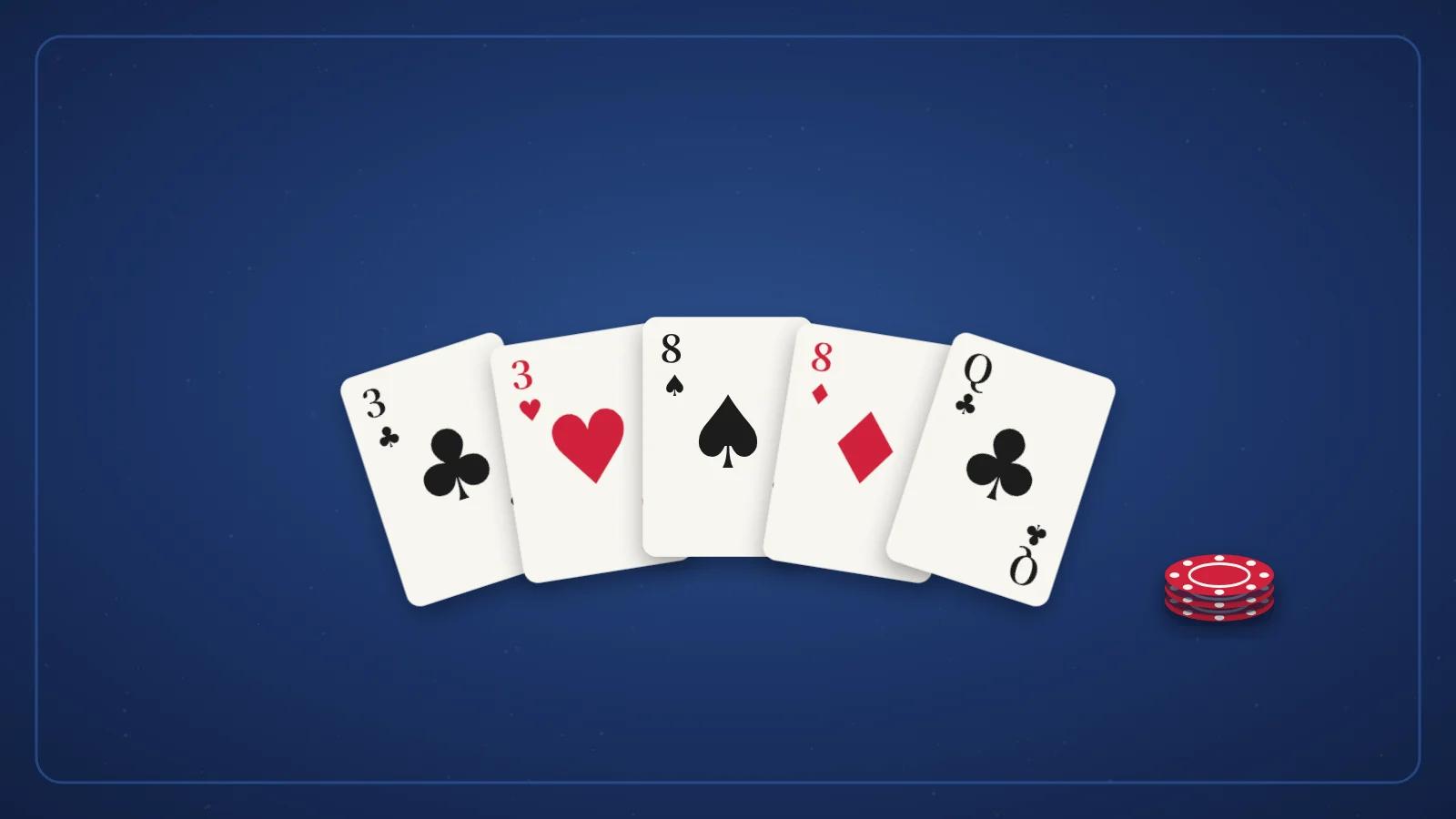
Caribbean Stud Poker Rules and How to Play | What to Know Before Your First Game at a Korean Casino
A guide to Caribbean Stud Poker at Korean casinos: how you play five cards against the dealer, hand rankings, the Ante and Double Bet, and payouts by hand, based on the game guide on the official Paradise Casino website.
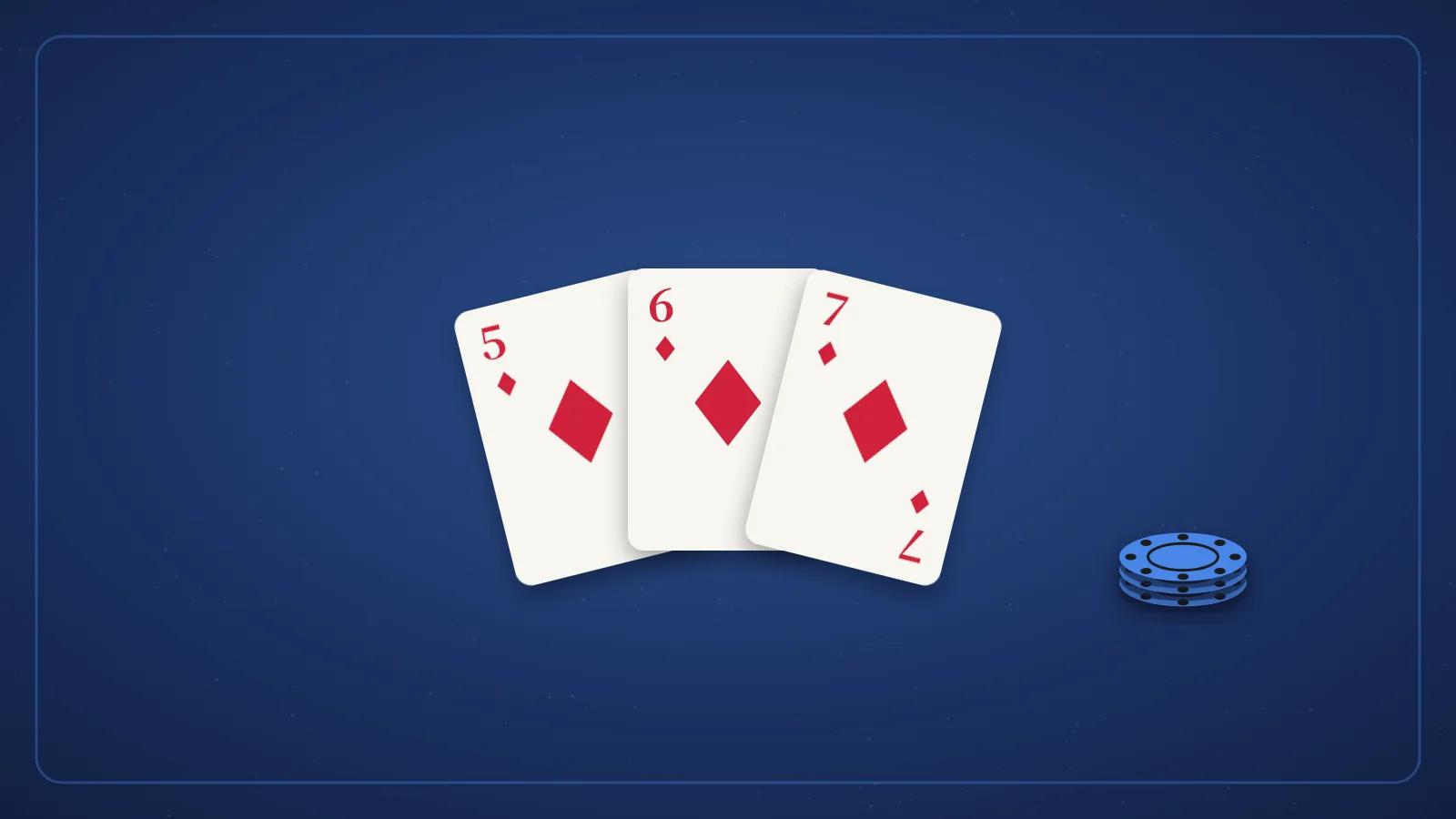
Three Card Poker Rules and How to Play | What to Know Before Your First Game at a Korean Casino
A guide to Three Card Poker at Korean casinos: how you play three cards against the dealer, hand rankings, Ante and Play bets, and Pair Plus payouts, based on the game guide on the official Paradise Casino website.
How to Play Slot Machines and Electronic Table Games (ETG) | A Korea Casino Guide for Beginners
A beginner's guide to slot machines and electronic table games (ETG) at Korean casinos: machine types, how to play, how tickets (TITO) work, and the number of machines at the 8 main casinos, based on each casino's official website.